 Feed your neurons ..
Good food in this blog.
Feed your neurons ..
Good food in this blog.
31 juli 2008


Biodatamining
Filling the gap between biology and computer science.
Check out this new journal (open access) as your guide.
Brain Stimulant: No B.S !

Maybe You do not have a 250.000 neuronavigation robot guided deep brain rTMS stimulation machine next to Your dish washer stacked in Your kitchen (yet..). Well you can' t have them all at once. Maybe tomorrow.
But if you want to stimulate Your brain right away then do it fast and cheap and discover this gem. Visit Mike's blog called Brain Stimulant. The name is chosen correctly.
Guaranteed to make You think.
Worked fine for me !
Deep brain TMS


One of the facts of life is that magnetic field strenght decays fast in relation to the square of the distance from the source (coil). Until now only (superficial) cortical stimulation has been possible. An Israeli compagny is on its way to change all that with the design of a revolutionary new coil type.
Check it at Brainsway
PS Many thanks to Mike from Brain Stimulant for pointing this one out. Please visit his blog. Mike has comments and fantastic illustrations on important neurostimulation topics (among many others). A must surf-to-there.
30 juli 2008
New therapies for depression
 Are the new Electromagnetic tools better then classical approaches to depression ?
They still broaden our therapeutic perspective and deserve to be considered in many cases.
Are they better then ECT ?
I put my money on rTMS but the new version by ANT with the Visor adaptation that incorporates neuronavigation and Robotmanipulation.
State of the art in neurodiagnostics and neurotherapeutics by ANT
Are the new Electromagnetic tools better then classical approaches to depression ?
They still broaden our therapeutic perspective and deserve to be considered in many cases.
Are they better then ECT ?
I put my money on rTMS but the new version by ANT with the Visor adaptation that incorporates neuronavigation and Robotmanipulation.
State of the art in neurodiagnostics and neurotherapeutics by ANT


Alzheimer: out of the (methyleen) Blue ???
 And old remedy (methyleenblue) for an even older disease ? Sounds to good to be true but results of 18 month phase II are exciting !!
Maybe very good news but there are some caveat's to take into account. Read them here
And old remedy (methyleenblue) for an even older disease ? Sounds to good to be true but results of 18 month phase II are exciting !!
Maybe very good news but there are some caveat's to take into account. Read them here
29 juli 2008
IPEG

WELCOME TO THE 15TH IPEG MEETING ROUFFACH , FRANCE On behalf of the International Pharmaco-EEG Society (IPEG), I am pleased to invite you to the 15th biennial IPEG congress, which will take place in Rouffach, France on September 24-27, 2008.
The IPEG society is largely involved in promoting the use of electroencephalography (EEG) and related techniques in drug research from animal to clinic. Since the first EEG publications in the beginning of the 20th century, EEG discipline has known a continuous evolution. The most recent innovations of EEG are its use in multi-modal approaches to improve our knowledge of brain activity. The aim of the present IPEG meeting is to discuss the latest advances in research and issues regarding the use of EEG and EEG-related techniques in neurology, psychiatry, anesthesia and analgesia in a drug development perspective. Since interdisciplinary and international exchange can lead to a fruitful emergence of new ideas, experts and professionals from different countries and different disciplines across academia and industry will participate in this meeting. As previous IPEG congresses, the IPEG symposia will start with training courses designed to provide basic and advanced information on the different aspects of electroencephalography (EEG) / magnetoencephalography (MEG) research: principles, recording procedures, experimental designs, data analysis and interpretation, with applications in different fields of neuropsychopharmacology. We encourage all researchers, physicians and other professionals working with EEG to contribute to the success of the meeting by submitting abstracts for oral or poster presentations.

DBS for depression
 My comment:
Although these results concerning area 25 DBS are truly encouraging, the fact that some patients do not seem to respond at all should make us wonder about a better search for more robust prediction and selection criteria. The problem is that once the electrodes are in place in the brain we cannot go back to ECT or rTMS (rapid transcranial magnetic stimulation). Although the first results of this rTMS procedure were not always consistently positive recent studies have shown that misalignment of the magnetic coil could often (40% errors) be held responsible for part of the outcome variance and this could be vastly improved pure technically by coupling the "old" rTMS stimulator to a genuine neuronavigation system cfr ANT EEG systems (http://www.ant-neuro.com/products/visor/) and even to a robot guided stimulation system. This makes it indeed more expensive but provides a much better stimulation robustness and quality especially in repetitive therapeutic stimulations. Pilot studies (fi at Univ Ulm, Germany ) have indeed shown very promising results in therapy resistent depression ! These results were presented in jan 2008 at the Neuromeeting Beaune France and will no doubt be further explored. Let us not forget that rTMS is a non invasive and non traumatic method in contrast to DBS that will always be limited to a small number of patients. As both the numbers of depressed patients and therapy resistent patients are huge, DBS will never be able to help them all.
PS A nice review on rTMS was published in Nature( Nature Reviews Neuroscience 8, (01 Oct 2007), doi: 10.1038/nrn2169-c2). So lets us help and support the DBS community but especially promote more vigorously the deployment of cornerstone studies on the therapeutic potency of the new ataumatic rTMS initiative especially in its new form that is in combination with robotica and neuronavigation.
Dr. G. Otte
28 juli 2008
Dimebon
Effect of dimebon on cognition, activities of daily living, behaviour, and global function
in patients with mild-to-moderate Alzheimer's disease: a randomised, double-blind, placebo-controlled study
The Lancet, Volume 372, Issue 9634, 19 July 2008-25 July 2008, Pages 207-215
Rachelle S Doody, Svetlana I Gavrilova, Mary Sano, Ronald G Thomas, Paul S Aisen, Sergey O Bachurin, Lynn Seely, David Hung and on behalf of the dimebon investigators
An EEG dream come true ?
 It 's an old dream to be able to cherry pick the best medications for our psychiatric patients suffering from diverse conditions, thus avoiding unwanted side effects and loss of precious time (and motivation, and adherence) in patients. We all look foreward to methods and biomarkers that would allow a more "personalised" clinical pharmacotherapy of overall better qualitative therapeutic results.
A a clinical neurophysiologist, without looking down on genetic markers or results of medical imaging, I was really hoping for our unintrusive and atraumatic neurophysiology techniques to be on the forefront of this endeavor.
That is exactly what the folks at CNS response are doing.
Check out their site ! hear others
It 's an old dream to be able to cherry pick the best medications for our psychiatric patients suffering from diverse conditions, thus avoiding unwanted side effects and loss of precious time (and motivation, and adherence) in patients. We all look foreward to methods and biomarkers that would allow a more "personalised" clinical pharmacotherapy of overall better qualitative therapeutic results.
A a clinical neurophysiologist, without looking down on genetic markers or results of medical imaging, I was really hoping for our unintrusive and atraumatic neurophysiology techniques to be on the forefront of this endeavor.
That is exactly what the folks at CNS response are doing.
Check out their site ! hear others
Neurofeedback for Alzheimer: a study proposal

Previous studies have shown that dementia
is associated with reduced cerebral blood flow (CBF), and various quantitative
EEG (QEEG) abnormalities including a reduction in the dominant alpha frequency.
The purpose of this study is to test whether neurofeedback training to
normalize abnormal EEG activity and increase CBF can improve measures of memory
and executive function. Twelve participants are currently enrolled, where half
are randomly assigned to a waiting list control condition. All participants
receive a comprehensive assessment of memory and executive function, and a QEEG
assessment. Thirty sessions of QEEG-guided neurofeedback are administered,
where a random half of participants also receive frontal CBF biofeedback during
their sessions. Two treatment group participants and one control have presently
completed the study. Compared to the control case, the treated cases showed
improvements, ranging from modest to dramatic, in the Integrated Visual and
Auditory Continuous Performance Test (attention and response control), the Rey
Complex Figure (nonverbal recall), Memory Assessment System List Acquisition
(verbal working memory), the Behavior Rating Inventory of Executive
Function-Adult Version (executive symptom self-report), and the Delis-Kaplan
Executive Function System (DKEFS) Verbal and Design Fluency, and Letter-Number
Sequencing. These results should be interpretted cautiously because of low
subject number. For example, neurofeedback appeared to result in a poorer
performance on the Wisconsin Card Sort and DKEFS Word Context tests. Six
additional participants are expected to complete post-testing in time for this
presentation.
26 juli 2008

24 juli 2008
Uncle Joe's BCI
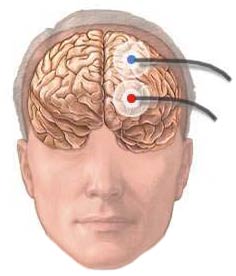
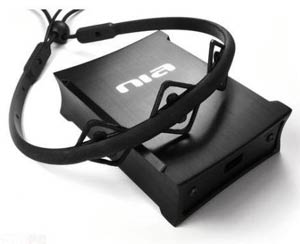 Question ?: Do these toy's really work as expected ? Not really.
As our friend Dieter DV from the Ghent BCI group points out: there is a lot of hype involved. Read about that here (in dutch)
Question ?: Do these toy's really work as expected ? Not really.
As our friend Dieter DV from the Ghent BCI group points out: there is a lot of hype involved. Read about that here (in dutch)
23 juli 2008
Our bionic Kurtzweil future ?
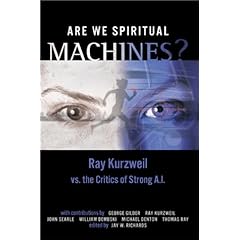
Computers are becoming more powerful at an ever-increasing rate, butwill they ever become conscious? Artificial intelligence guru RayKurzweil thinks so and explains how we will "download" our software(our minds) and "upgrade" our hardware (our bodies) to become immortal-- before the dawn of the 22nd century. In this debate with hiscritics, including several Discovery Institute Fellows, Kurzweildefends his views and sets the stage for the central question: "Whatdoes it mean to be human?"
22 juli 2008

21 juli 2008
Another file transmission service


18 juli 2008
Medivation
 Visit the compagny that tested dimebon in Alzheimer (and Huntington).
Read the lancet article !
Visit the compagny that tested dimebon in Alzheimer (and Huntington).
Read the lancet article !
New anti Alzheimer drug ?
"Shelved" Antihistamine Shows Promise in Alzheimer's Disease
Caroline Cassels
Medscape Medical News 2008. © 2008 Medscape
Improvement Over Time
The multicenter trial included 183 AD patients from 11 sites in Russia. Study subjects had an average age of 68 years and mean Mini-Mental State Examination (MMSE) scores of 18 at baseline. Patients were randomized to receive the drug or placebo. The study's primary end points were improvement from baseline in Alzheimer's Disease Assessment Scale-cognitive (ADAS-COG), Clinician's Interview-Based Impression of Change-plus (CIBIC-plus), MMSE, Alzheimer's Disease Cooperative Study Activities of Daily Living (ADCS-ADL), and Neuropsychiatric Inventory (NPI). In addition, investigators assessed caregiver time using an item in the Resource Utilization in Dementia (RUD-lite) tool. Initially, said Dr. Doody, the trial was designed to be a 6-month proof-of-concept study. However, the study design was amended, and subjects had the option of participating in a 6-month blinded extension trial. Of the total study group, approximately 86% opted to continue in the blinded 6-month extension study.
At 6 months, there was statistically significant improvement in all 5 study outcomes in subjects taking Dimebon vs those in the placebo group, a trend that continued at 1 year.
"The 1-year data showed us that people were at or above baseline on all of the study measures if they were on drug and at various points of decline if they were not. So the drug-placebo difference was widening over time," said Dr. Doody.
May 16, 2007 (Chicago, Illinois) — A largely forgotten antihistamine, first used in Russia more 30 years ago but shelved after newer, more targeted therapies came to market, is showing promise as a treatment for mild to moderate Alzheimer's disease (AD). Recently presented at the American Academy of Neurology 60th Annual Meeting, a 1-year randomized, placebo-controlled trial of the drug Dimebon (Medivation, San Francisco, CA) in 183 AD patients showed that individuals taking the drug experienced significant improvements in cognitive function, memory, ability to perform tasks of daily living, global function, and behavior. "One of the reassuring or hopeful findings from this study so far is that the drug/placebo differences were not driven just by a decline in the placebo group. The differences at 6 months from baseline [in patients in the active-treatment group] were statistically significant across all study measures, indicating that patients actually improved on the drug at 6 months," study investigator Rachelle Doody, MD, PhD, from Baylor College of Medicine, in Houston, Texas, told Medscape Neurology & Neurosurgery.
16 juli 2008
genetics and psychiatry: a complex relation

Geneticists know nothing about psychiatric disease.”
Daniel Weinberger
Finding genes involved in psychiatric conditions is proving to be particularly intractable because it is still unclear whether the various diagnoses are actually separate diseases with distinct underlying genetics or whether, as the DISC1 story suggests, they will dissolve under the genetic spotlight into one biological continuum. Indeed, some researchers suggest that it would be better to abandon conventional clinical definitions and focus instead on 'intermediate phenotypes', quantifiable characteristics such as brain structure, wiring and function that are midway between the risk genes involved and the psychopathology displayed.
14 juli 2008


InforMedix - The Medication Adherence Solution
 InforMedix - The Medication Adherence Solution
Now from all gadgets this is really practical stuff ! take a look at the video (info commercial)
InforMedix - The Medication Adherence Solution
Now from all gadgets this is really practical stuff ! take a look at the video (info commercial)
New Source of T-Rays | Popular Science
 New Source of T-Rays | Popular Science
A new kid on the block with potential neuroscience ( brain imaging anyone) applications ? yet to be discovered...
New Source of T-Rays | Popular Science
A new kid on the block with potential neuroscience ( brain imaging anyone) applications ? yet to be discovered...
PLoS Biology - Mapping the Structural Core of Human Cerebral Cortex
 Mapping the human cortex. Think about what you see while seeing where You think.
PLoS Biology - Mapping the Structural Core of Human Cerebral Cortex
Mapping the human cortex. Think about what you see while seeing where You think.
PLoS Biology - Mapping the Structural Core of Human Cerebral Cortex
Eat less, drink more ... live longer ?
SIRT 1 and co. Will they be water in the fountain of Youth ? Can a near eternal human ambition only dreamed off in fairies and chanted in movies and novels, really come through ?
If GSK (they bought SIRTRIS) is asked, they will probably not say no.
Read on at their site, see the mouse running and while dreams are lingering on, do not forget to take a sip of that red burgundy, Chateau resveratrol. More info here

Now I realize why we are holding those Neuromeetings in Beaune :-)

If GSK (they bought SIRTRIS) is asked, they will probably not say no.
Read on at their site, see the mouse running and while dreams are lingering on, do not forget to take a sip of that red burgundy, Chateau resveratrol. More info here
Now I realize why we are holding those Neuromeetings in Beaune :-)
13 juli 2008
Meet Igor Teper

Igor Teper is a scientist and living proof that scientists are really very sensitive people.
he has a patent on a time machine that You can make yourself following his instruction manual. read it carefully: it could be very "instructive".
How to build Your own Time machine (Teper Igor)
It's a unique set of experiences.
Every time machine is a one-of-a-kind device, and building one requires perseverance, ingenuity and total concentration. You will also need a clean workspace, a flat surface and the usual assortment of tools. Some of the parts and materials described in these instructions may not be available, in which case you will have to improvise suitable replacements.
Start with the sunlight's reflection off the water on the afternoon your grandfather took you out on the lake in a rowboat, the last time you saw him alive. Stabilize it with the bobbing of the ducks on the boat's wake, the breeze caressing your arms and neck, causing goose bumps, and the insistent tug of the oars in your hands when he let you row.
Attach your little sister's tears after you plucked out the eyes of her favourite plush teddy bear and hid them under her pillow for her to find in the morning. It should fit loosely, leaving room for the ringing of your mother's screams in your ears as well as the dampness of the soil on your hands when you buried your favourite toy soldier's splintered remains after your sister smashed it in parent-sanctioned retribution.
Gently screw into place the trembling of your first lover's lips as they formed a smile when you told her that you loved only her and would forever; fasten onto it the set of her jaw when you said you'd become involved with someone else. You may need to lubricate the joint with the lies you told her in the final weeks of your relationship, each encompassing the last, like Russian nesting dolls, mixed in equal parts with her blind desperation to believe you.
Be very careful as you slip into the resulting groove the smell of the wilted get-well flowers you found on your doorstep upon returning from the ski trip with your friends after you'd told your parents you were too sick to come home for Thanksgiving. Softly tap in your mother's worried, desperate pleas in the half-dozen messages she'd left on your answering machine and connect them with the disappointment that quickly replaced anger on your father's face when you told him the truth.
Hook up the cold slickness of sweat in your palms as you signed the papers finalizing your promotion to manager. Plug in the warmth of your wife's cheek against yours when you embraced before you got into the corporate car to go to the airport for your first extended business trip, and bind it in place with the smell of her hair and the pressure of her fingers against your back.
Affix the constriction in your chest linked with the wobbliness in your knees as you stood on the boardwalk and watched your then best friend walk away after you told him it was nothing personal but you wouldn't be comfortable lending him money. The golden-pink of the sunset should slide smoothly into the smell of the ocean, the feel of salt coating your skin, and the grainy roughness of the wooden guardrail in your grip.
Install the numbness, spreading from your fingertips to your hand and up your arm, after you hit your wife on the side of her head when, during an argument that started over nothing and touched on everything, she called you a series of names no wife should call her husband. Fill in any gaps with the sound of her shocked gasp and the heartbreaking silence that followed.
Snap in the sound of the door slamming when your son stormed out of your house after you explained to him, in increasingly forceful terms, the reasons that you'd be more than happy to help pay for law school but wouldn't give a penny for a creative-writing programme. Latch onto it the flash of defiance in his eyes, the knot in the pit of your stomach and the scent of daffodils that drifted in from your front yard through the open door.
Surmount the whole thing with the tightness in the corners of your mother's mouth when you told her you would not be able to take care of her the way she needed if she came to live with you. Prop it in place with the trembling of her hands in yours, and the musty, medicinal smell of her apartment, which coated the inside of your nostrils, dried out your throat and stung your eyes.
If you've followed these instructions, and you're very lucky, you should have in your possession your very own, fully functioning, custom-made time machine, ready to take you to the moment of your choice in the blink of an eye.
If you're even luckier, you will leave it in the corner of the garage, next to the old lawnmower you've never got around to fixing, under a worn tarp, collecting dust.



The Gazzaniga Interview
Tom Wolfe + Michael Gazzaniga
Wolfe, who calls himself “the social secretary of neuroscience,” often turns to current research to inform his stories and cultural commentary. His 1996 essay, “Sorry, But Your Soul Just Died,” raised questions about personal responsibility in the age of genetic predeterminism. Similar concerns led Gazzaniga to found the Law and Neuroscience Project. When Gazzaniga, who just published Human: The Science Behind What Makes Us Unique, was last in New York, Seed incited a discussion: on status, free will, and the human condition.
Math is Music and Music is Math to the Brain

Roughly 2,500 years ago, Pythagoras observed that objects, such as the anvils he purportedly studied, produced harmonious sounds while vibrating at frequencies in simple whole-number ratios. More complex ratios gave rise to more dissonant sounds, which indicated that human beings were unconsciously sensitive to mathematical relationships inherent in nature. By showing that the world could be described mathematically, Pythagoras not only provided an important inspiration for physics, but he also discovered a particular affinity between mathematics and music--one that Gottfried Leibniz was to invoke centuries later when he described music as the "unknowing exercise of our mathematical faculties." Read on in SEED
Big BANG..bang....bang....BANG
And now for something completely non neurophysiological (but real interesting science stuff)
 How did the universe begin? Did it have a beginning at all?
These questions may have been the subject of speculation and debate for millennia, but they have not been widely discussed for the past forty years. Ever since the discovery of the cosmic background radiation in 1965, the overwhelmingly predominant view has been that our universe began about 14 billion years ago in a cosmic fireball known as the "big bang" and that it has been expanding, cooling, and evolving ever since.
Recently, though, a small but growing number of theorists have begun to challenge this conventional belief and to pursue a radical new history of the universe. According to this new idea, there was a big bang, but this was not the beginning of space and time. In fact, in the version proposed by Neil Turok.......... Read on
How did the universe begin? Did it have a beginning at all?
These questions may have been the subject of speculation and debate for millennia, but they have not been widely discussed for the past forty years. Ever since the discovery of the cosmic background radiation in 1965, the overwhelmingly predominant view has been that our universe began about 14 billion years ago in a cosmic fireball known as the "big bang" and that it has been expanding, cooling, and evolving ever since.
Recently, though, a small but growing number of theorists have begun to challenge this conventional belief and to pursue a radical new history of the universe. According to this new idea, there was a big bang, but this was not the beginning of space and time. In fact, in the version proposed by Neil Turok.......... Read on
How did the universe begin? Did it have a beginning at all?
These questions may have been the subject of speculation and debate for millennia, but they have not been widely discussed for the past forty years. Ever since the discovery of the cosmic background radiation in 1965, the overwhelmingly predominant view has been that our universe began about 14 billion years ago in a cosmic fireball known as the "big bang" and that it has been expanding, cooling, and evolving ever since.
Recently, though, a small but growing number of theorists have begun to challenge this conventional belief and to pursue a radical new history of the universe. According to this new idea, there was a big bang, but this was not the beginning of space and time. In fact, in the version proposed by Neil Turok.......... Read on
10 juli 2008
(H) i Human

One of the world's leading neuroscientists explores how best to
What happened along the evolutionary trail that made humans sounique? In his widely accessible style, Michael Gazzaniga looks to a broad range of studies to pinpoint the change that made us thinking,sentient humans, different from our predecessors. Neuroscience has been fixated on the life of the psychological self for the past fifty years, focusing on the brain systems underlying language, memory, emotion, and perception. What it has not done consider the stark reality that most of the time we humans are thinking is about social processes, comparing ourselves to and estimating the intentions of others. In Human,Gazzaniga explores a number of related issues, including what makes human brains unique, the importance of language and art in defining the human condition, the nature of human consciousness, and even artificial intelligence.understand the human condition by examining the biological, psychological, and highly social nature of our species within the social context of our lives
Dopamine for Dummies
 Developing Intelligence : Dopamine for Dummies
This is really a great blog on Cognitive Neurosciences. Subjects on attention, meditation modulated attentional resource activation, attention focus and memory, prospective memory and many more..enjoy.
Developing Intelligence : Dopamine for Dummies
This is really a great blog on Cognitive Neurosciences. Subjects on attention, meditation modulated attentional resource activation, attention focus and memory, prospective memory and many more..enjoy.
09 juli 2008

08 juli 2008
At the blink of an eye you should decide to buy this book

Better Than Conscious? Decision Making, the Human Mind, and Implications For Institutions Edited by Christoph Engel and Wolf Singer
Conscious control enables human decision makers to override routines, to exercise willpower, to find innovative solutions, to learn by instruction, to decide collectively, and to justify their choices. These and many more advantages, however, come at a price: the ability to process information consciously is severely limited and conscious decision makers are liable to hundreds of biases. Measured against the norms of rational choice theory, conscious decision makers perform poorly. But if people forgo conscious control, in appropriate tasks, they perform surprisingly better: they handle vast amounts of information; they update prior information; they find appropriate solutions to ill-defined problems.
07 juli 2008
Brain & Cognition: The Holland synapse
 You have to admit that our friends from the netherlands puttheir money on the right horses. Brain and Cognition are no doubt the right breed to "head" the future of Cognitive neuropsychiatry and neurophysiology. As they plan to start international scientific expert meeting cores they endorse our leading life motto: "Cooperation beats competition".
let's get together.
06 juli 2008
Are You aware of this website ?
A lot of interesting publications in this site by Lorenzo Pia ass prof Psychology at the Univ of Turino. He works on the fascinating phenomenon of awareness. Lack of awareness in disease (Anosognosia) is not only present in right frontal stroke but also a key symptom in shizophrenia and as such "awareness" could form an important link between neurology and psychiatry by way of neuropsychology and cognitive neuropsychiatry. Clinical neurophysiology is an important tool to clarify the links and prepare for future bridges to be build upon it.
We are aware, are we not, that at the end of the day there are no real difference between neuro and psy. It all boils down to pure neuroscience. !


CAM machines
 To fight the dragons this guy made a complete automatic CAM generating artificial intelligence (??) machine.
05 juli 2008
Here be Dragons
 Click on the dragon and get the video (it's all free). Spread the good word.
 There are still to many Dragons being kept alive. This guide will help You to get rid of them.
03 juli 2008

Brodmann GPS
 If You ever want to navigate Brodmann country (and who would not ?) equip yourself well. Take this map (and surf the website first). Can be downloaded in .xls format. Happy travelling.
related links:
Terra Cognita
Brainworld: blog
Toronto add centre (infocommercial)
If You ever want to navigate Brodmann country (and who would not ?) equip yourself well. Take this map (and surf the website first). Can be downloaded in .xls format. Happy travelling.
related links:
Terra Cognita
Brainworld: blog
Toronto add centre (infocommercial)
Abonneren op:
Posts (Atom)